


“Kepulauan Seribu” literally meaning: the Thousand Islands, yes, the same as the popular dressing we put on salads! Here, in fact, this is the name given to the many tropical islands scattered in the Bay of Jakarta.
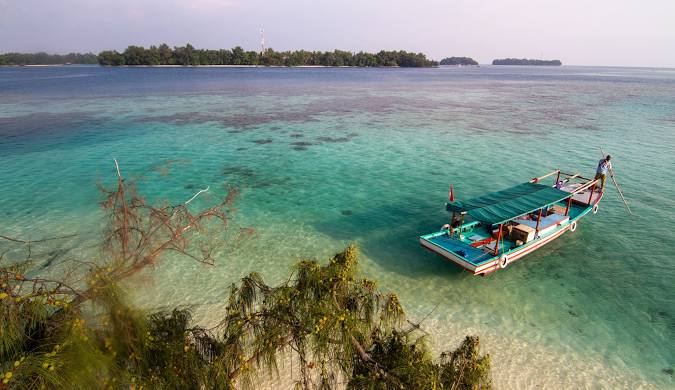
But only very few people know, that there are exactly 110 islands only, that together form a District, encompassing the Pulau Seribu National Marine Park in the province of Jakarta. This cluster of islands forms a splendid nautical getaway that ranges from a mere half-hour to a three hours’ boat ride from the north coast of the capital city.
Here, around 20,000 people live on 11 islands only, while all others are either uninhabited, are privately owned or are a restricted nature sanctuary. The islands are a snorkeling haven and watersports playground in particular for the inhabitants of the metropolitan city. During holidays, domestic tourists throng to the islands to have fun under the sun on these many recreation islands. Here is a list of islands that are exciting to explore and to have fun with the whole family, starting from the closest to the outermost islands.
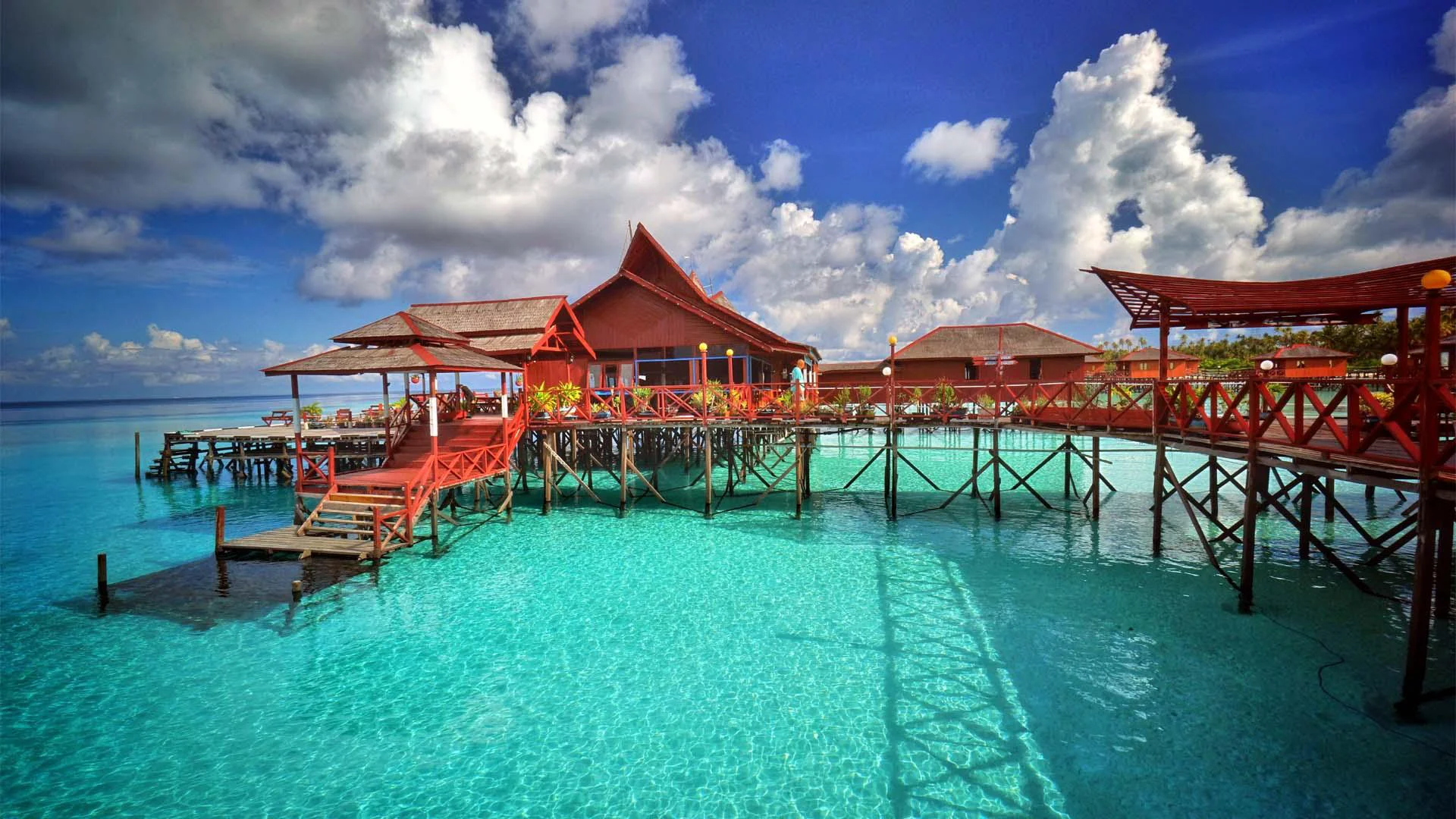
Located just away from the mainland of East Kalimantan in the district of Berau, the Derawan archipelago comprises 31 islands, most well known among these are the islands of Derawan, Maratua, Sangalaki and Kakaban. Here is Indonesia’s largest nesting site of the rare and endangered giant green turtles and hawksbill turtles, where one can daily watch turtles lay their eggs in the sand or swim to sea with the turtles.
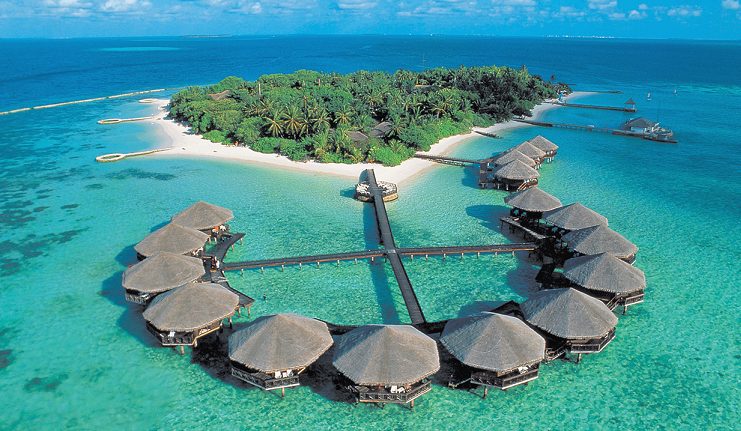
The entire marine conservancy region covers a total area of no less than 1.27 million hectares. It is the perfect tropical paradise with warm, isolated islands, soft white sand beaches fringed with waving palm trees, pristine seas that change color from green to deep blue, and an amazing underwater life of giant turtles, dolphins, manta rays, dugongs and barracudas, stingless jellyfish and sometimes, whales. Here, you can find 460 different species of corals, ranking this area second only to the Raja Ampat Islands in West Papua. The Nature Conservancy and a team of international experts also found more than 870 species of fish here, ranging from tiny pygmy seahorses to giant manta rays.
Get There
To reach Derawan, SilkAir flies from Singapore to Balikpapan in East Kalimantan. Or you can take a flight from Jakarta, Surabaya or Denpasar to Balikpapan or Tarakan by Garuda Indonesia. Then take a connecting flight to Tanjung Redeb in Berau. From here, boats will take you to the islands.
Source: https://www.indonesia.travel/jp/en/explore-indonesia/kalimantan/east-kalimantan/derawan-archipelago
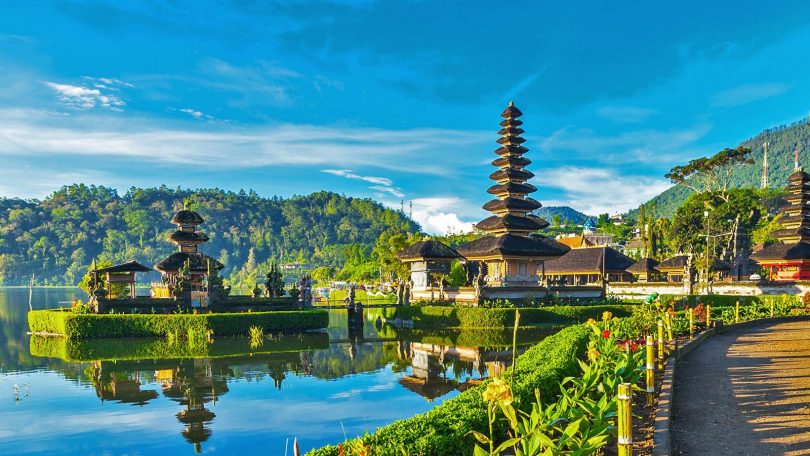
Also known as the Land of the Gods, Bali appeals through its sheer natural beauty of looming volcanoes and lush terraced rice fields that exude peace and serenity. It is also famous for surfers’ paradise! Bali enchants with its dramatic dances and colorful ceremonies, its arts, and crafts, to its luxurious beach resorts and exciting nightlife. And everywhere, you will find intricately carved temples.
The Handcrafts of the Gods
There are thousands of gift shops in Bali. From Denpasar to Ubud, you’ll find many things you’d like to bring back home. Balinese signature souvenir range from delicious snacks and beverages, to the exquisite handcrafted goods like Tenun Bali.
If you are thinking of bringing home souvenirs, your best bet is the souvenir market at Sukowati, where you may be overwhelmed by choice.
Most of the starred hotels are located near the beach. Some even have their own private spots at certain beaches, where you can splurge on exclusive privilege. You can find them easily at popular spots like Kuta, Sanur, and Seminyak.
Kuta has a large variety of boutiques and shops, selling everything from bright T-shirts, surf-wear, flip-flops to creative trinkets. If you wish to buy dried foodstuffs, Bali coffee is the most aromatic one. You may also want to buy aromatherapy essential oils to sprinkle your bath with.
Savor the Atmosphere
As Bali is located 8 degrees south of the equator, you will find the climate to be the typical tropical, warm and humid all year round with two main distinctive seasons: Dry Season and Rainy Season. Some of the areas around Bali’s central mountains (volcanoes) have several peaks over 3,000 meters above sea levels. Up here the temperatures are considerably cooler, and there is much more rainfall than in the coastal areas.
Bali’s white beaches are certainly a favorite destination for family holidays. There are a variety of watersports available, such as banana boats, parasailing or jet skiing, go swimming or you may just linger and enjoy good sunbathing by the sea.
Kuta is one of the most well-known beaches in Bali. Along with this stretch are an array of hotels, restaurants, shops, and cafes. In the evenings the area throbs to the beat of disco music.
For a quieter evening enjoy the beach at Jimbaran, a popular spot to eat fresh barbecued seafood. Seminyak is home to five-stars International hotels and luxurious accommodation studded with fancy dining spots. Sanur Beach also dotted with hotels and restaurants. You can also visit Nusa Dua, where more private beaches front super deluxe hotels.
Consume your Vitamin Sea
Surfers love the waves at Nusa Lembongan near Nusa Penida. These islands are a 45 minutes boat trip from Nusa Dua or from Sanur.
At Nusa Penida’s south western coast are the Manta Point and the Malibu point where divers can swim with Travally, big rays, and even sharks. Kelingking Beach, Atuh beach and Broken beach among the most famous spots of Nusa Penida.
The best dive spots can be located at Menjangan island, with its reef flat, anchor wreck, eel garden and caves to explore. Located in the western part of Bali, you can enjoy the rare sight of deer swimming near the beach. Pemutaran is also famous for its diving activities renowned for reef conservation.
Try exploring or trekking the West Bali National Park, where you may get up close and personal with Bali’s rich flora and fauna, such as Jalak Bali or the Bali Starling.
Bali offers first-class adrenaline-pumping white water rafting down the spectacular Ayung River by Ubud. If you enjoy cycling, Ubud and its surrounding is a wonderful town to bike around. There are also good cycling paths at Uluwatu in the south.
Pump your Adrenaline
Mountain climbers may want to climb up Gunung Agung. Begin your ascend from behind the temple or through the village of Sebudi. However, make sure to ask permission first from the temple authorities, as the Balinese religion prescribes that no one may stand higher than the sacred temple especially when ceremonies are being held.
Another mountain for your adventurous hike is the beautiful Mount Batur, that overlooks the serene Lake Batur in Kintamani.
The Kecak dance is staged most dramatically in the open-air settings on a cliff, by Uluwatu temple. Experience the unforgettable moments where the sun slowly lowering in the sea over the horizon beyond this beautiful temple serenade with Balinese most iconic art performance. The Kecak dance tells the story of Ramayana wherein prince Rama’s wife, Sita, is abducted by the ogre Rahwana.
Feast your Eyes and Soul
After exploring hours are done for the day, you can surrender in total relaxation and experience the best of Balinese spa, located all over Bali. Balinese spa products are made with fine quality local ingredients and are perfect for you to also bring home as a souvenir!
Get Around
There are many modes of transport to help you get around in Bali. A variety of excellent half day, full day and overnight tour packages are available from your hotel desk or any of the numerous travel agents and tour operators which abound in Bali. You can also find a car and driver who will also be your guide. Tell the driver your desired route and negotiate a fee.
An important virtue to have while on the road in Bali is patience! Although the road system in the heavily populated areas is quite reasonable (condition wise), it can also be heavily congested at peak periods. Ceremonial processions often take up the entire road so if you’re caught behind a procession, enjoy the colorful experience.
Get Here
By Air
The gateway to enter Bali by a flight route is through the Ngurah Rai International Airport. International and national flights are available around the clock, to take the visitor to the Island of The Gods.
The airport is scheduled to close once a year during the Balinese Nyepi ceremony, for 24 hours. At Nyepi, every corner of Bali is performing the sacred rituals which made the island ceased any activities outside of these rituals for one whole day.
Overland
Public transport to Bali is available through travel companies and busses. If you opt to experience a road trip, be sure that you are equipped and ready for the long hours.
From the capital of Jakarta, an overland road trip to Bali can range from 30 hours to a few days. All depending on whether or not you want to stop by and enjoy the cities that you are going to pass through.
By Sea
Bali is accessible by ferry ride from an island of Lombok in West Nusa Tenggara. In Lombok, you can explore the beauty of Mount Rinjani and pristine beaches on the Gili islands.
From Java Island, you can get to Bali by taking a ferry from Banyuwangi. The city with the slogan of The Sunrise of Java is where you can embark to experience the adventurous path to Ijen Crater and its mesmerizing Blue Fire.
As the Indonesian government reopens the island for domestic and international travelers, do also check out the latest information related to the reopening of Bali.
Source: https://www.indonesia.travel/gb/en/explore-indonesia/bali-nusa-tenggara/bali/bali/
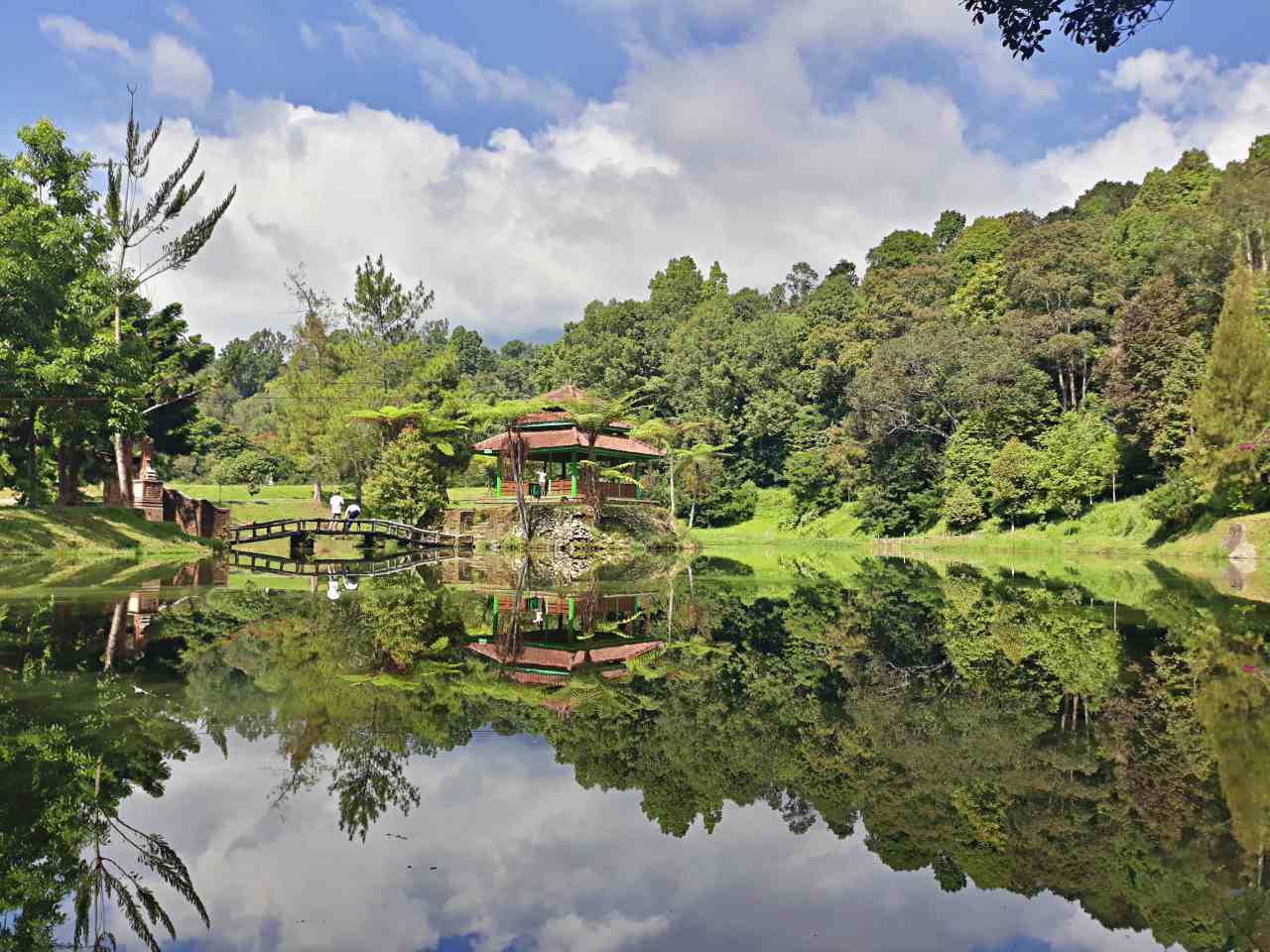
There’s a spot just 2 hours away from where city dwellers can experience the feeling of cool breeze and clean air. That spot is Cibodas Botanical Garden. The cool breeze is due to the location of Cibodas Botanical Garden on the slopes of Mount Gede. In addition to being a picnic destination, this garden happens to be a conservation site.
Cibodas Botanical Garden is perhaps known for its exotic collection of plants. Many of the plants here are one of the kind in Indonesia. Take for example the famous cherry blossom trees or Sakura trees. It is the only place in Indonesia where these trees can thrive. Here in Cibodas Botanical Garden, it blooms twice more than its counterpart in its origin country.
The garden has other fascinating spots such as themed gardens and waterfalls too. And next to it is Mount Gede Pangrango National Park. It’s one of the popular camping spots due to its location at the foot of the mountain. There is no air pollution in the area. Thus the bright stars would appear at night for campers to enjoy.
Cibodas Exotic Gardens
Cibodas Botanical Garden is home to various exotic plants, some native to Indonesia and some not. For example, the cherry blossom trees. Originally from Japan, this plant thrives living and growing in Cibodas. It’s a remarkable sight to see the blooming Sakura in a tropical country.
The Indonesian native plants, Rhododendron are something worth looking too. An entire section of the garden is dedicated to these flowery shrubs with vivid-colored petals in red, pink, and purple.
Other gardens are filled with ferns, lianas, and medicinal plants. Guests could also visit the glasshouse, where orchids, cacti, and succulents grow. The cacti section is especially fascinating. Towering thorny plants amidst white gravel paths. This section would be the perfect Instagram backdrop.
Lastly, Cibodas Botanical Garden owns the largest outdoor bryophyte park in the world. This section of the garden is shrouded by tall trees to protect the moss growing here. It’s a bit slippery so be careful when navigating in this park. The bryophytes park is best visited at midday as the trees would give visitors protection from the glaring sun.
Splashing Around Under Waterfalls
In Cibodas Botanical Garden, visitors will be able to find two waterfalls or Curug in the area. Among the two, the Cibogo waterfall is the nearest to the entrance gate. Guests only need to walk about 10 minutes to reach the waterfall. Walk along cobbled paths overflowed with water discharge from the waterfall.
It is not a big waterfall but it has a little pool under it where travelers can swim. The second one is Curug Ciismun. Visitors need to walk uphill as this waterfall is farther up in the garden. It is about a 45-minute walk from the entrance gate. This waterfall is bigger and because it is farther away, the water is clearer and colder than the first waterfall.
Camping In Gede Pangrango National Park
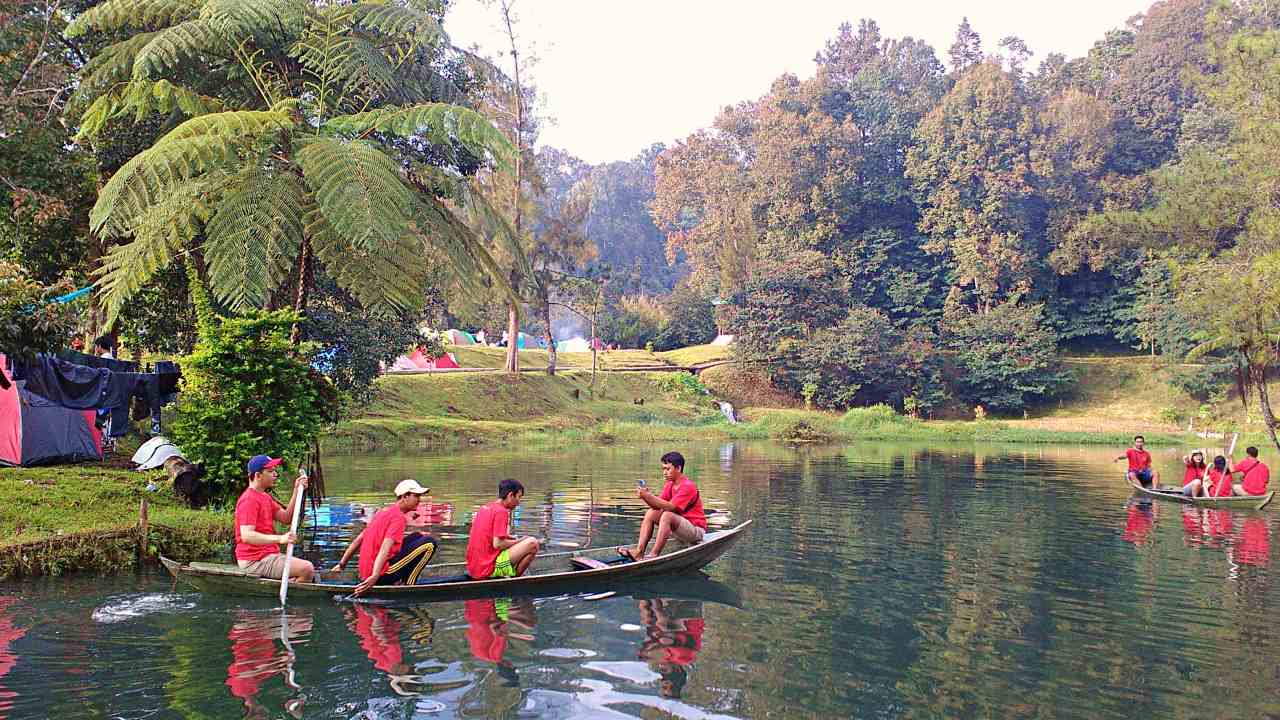
Among lot of fascinating things about Cibodas Botanical Garden is the camping ground nearby. The allotted space is around 3ha and can host around 200 tents. The site itself is part of Mount Gede Pangrango National Park. Located just 800 meters away from the botanical garden.
Visitors can camp in one of the available camping grounds, Mandalawangi or Bukit Golf. Both sites provide cafeterias, public bathrooms, and a parking lot. Or try more challenging activities. Spare a day and go on a hike to Mount Gede or Pangrango.
The fee for an overnight stay on the camping ground is not included in the garden’s entrance ticket. For visitors who don’t bring tents, don’t worry. The camping ground provides rental tents and other camping necessities.
Facilities
Facilities inside the Botanical Garden are quite exhaustive. For visitors traveling with private vehicles, the garden provides a spacious parking lot. Other facilities provided are public bathrooms, gazebos, food stalls, and a cafeteria. Another thing that is unique to this garden is its camping ground. Cibodas Botanical Garden provides a spacious camping ground for campers.
Another way to navigate the garden is by using the shuttle bus, Wara Wiri. The fare for one lap going around the garden is extremely cheap Rp10.000. Other than the shuttle bus, visitors are also welcome to bring bicycles and ride around the garden.
How To Get To Cibodas Botanical Garden
The Botanical Garden is a 2.5-hour journey depending on traffic. From Jakarta, travelers can take Jl. Tol Jagorawi all the way until reaching the exit to Taman Safari. Continue on for another hour until reaching the garden. It will be on the left side of the road.
Going to Cibodas Botanical Garden with public transportation will be a bit uncomfortable. This is because travelers need to make several transits before reaching the garden. Most would take big buses until reaching Bogor. The bus fare starts from Rp25.000/person. From Bogor, trippers can transfer to minibusses heading to the garden with a fare of Rp20.000/person.
Address & Location
The vast garden location is in Jl. Kebun Raya Cibodas, Sindangjaya, Cipanas district, Cianjur, West Java 43253.
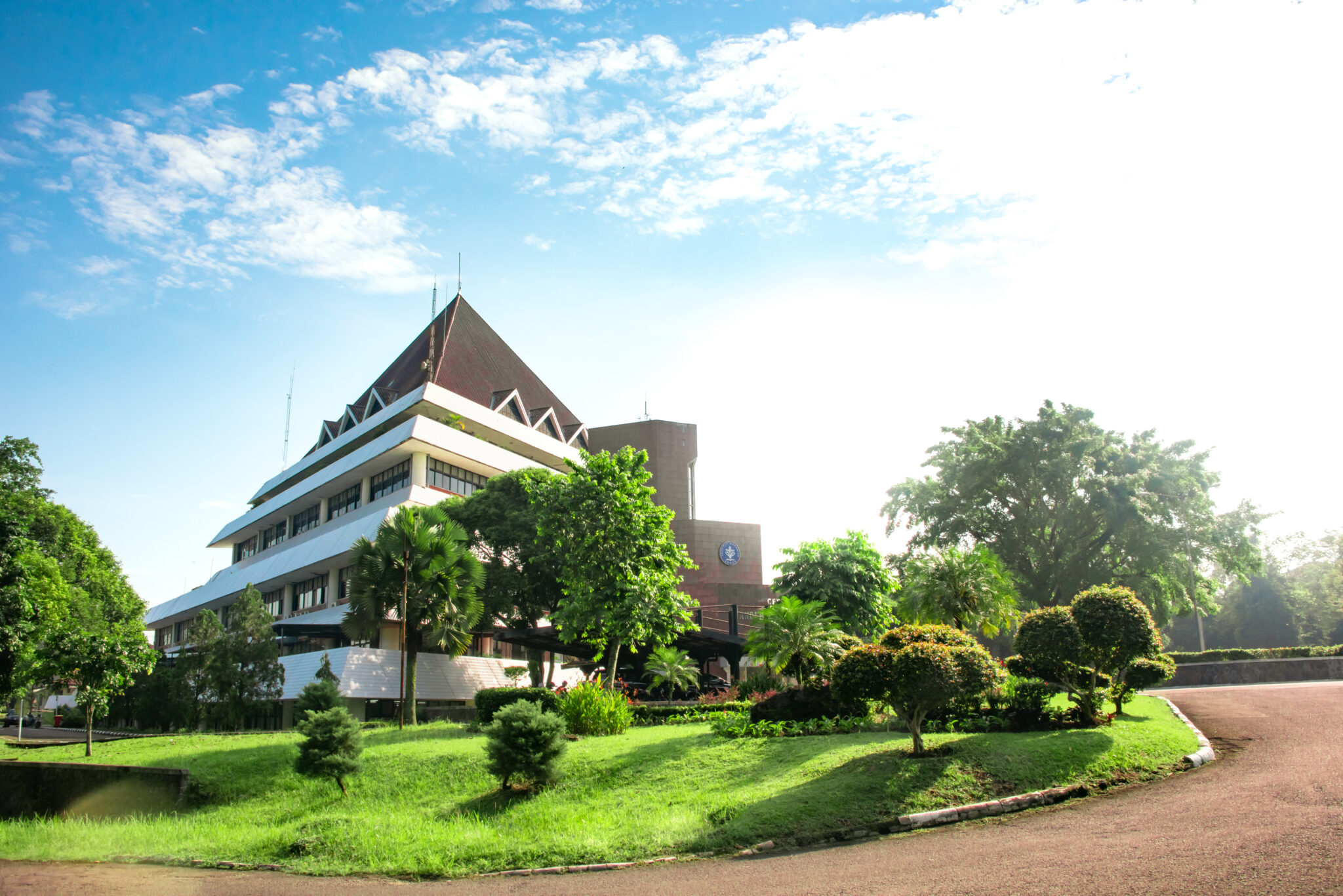
IPB University, located in Bogor, Indonesia, is a prestigious institution renowned for its excellence in agriculture and natural resource sciences. Established in 1963, it has since evolved into a comprehensive university with a diverse range of academic programs spanning agriculture, forestry, fisheries, veterinary medicine, and environmental sciences. With a commitment to research, innovation, and sustainable development, IPB University stands as a global leader in addressing critical challenges related to Agriculture, Ocean, Biosciences for a Sustainable World. Its dedication to nurturing future leaders and advancing knowledge makes it a key player in Indonesia’s educational landscape and a hub for impactful research on a global scale.
IPB has strong commitment to promote the UN Sustainable Development Goals. Detailed information on IPB Sustainability can be seen here
Booklet of IPB at a Glance can be downloaded here
Leaflet of IPB at a Glance can be downloaded here
Cityscape, Landscape, Riverscape: Bremen offers all this and much more. This picturesque city on the Weser river is also appealing from a cultural point of view. Take a stroll with us and enjoy the fresh air.
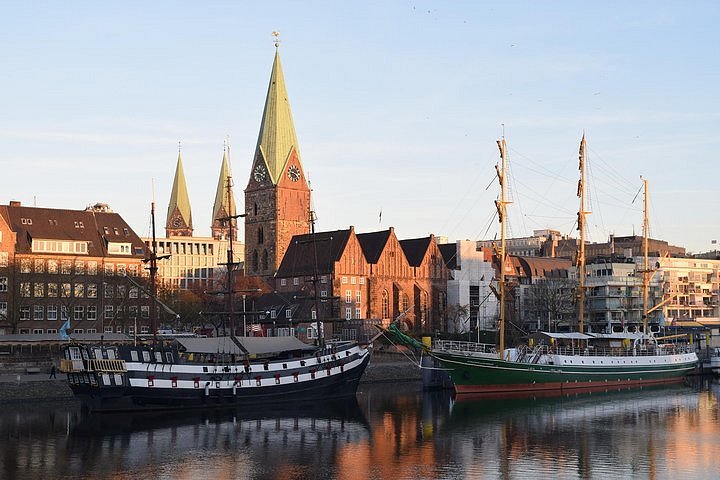
Bremen, which is so beautiful, also has the scent of the sea. And the North Sea is not far away. But the city with its beautiful Hanseatic houses actually stretches along the Weser river. And because maritime life in Bremen is concentrated particularly at the Schlachte harbour, this is where your morning excursion will begin. So the day starts in a relaxed way, with a walk along the promenade. Here, excursion boats gently bob in the river and the stately harbour complex is a reminder of Bremen’s historical importance. It’s great that there are many restaurants and pubs here too. Why not stop here for lunch? Afterwards, do as the people of Bremen do. Rent a bicycle and go for a ride.
Tracing Bremen’s History
Remember, practically all the sights are within walking distance. Whether on a bike or on foot, you can spend your afternoon in the inner city. Experience more of Bremen’s history in the market square. The old Town Hall is particularly impressive with its detailed facades from the 17th century. This is also the site of the approximately ten-metre-high and 600-year-old Roland statue, a symbol of freedom and free trade. The Town Hall and Roland statue are both classed as UNESCO World Heritage Sights. Beneath the Town Hall you will find a quaint pub, the Ratskeller. A little further on is St Peter’s Cathedral and from its viewing platform a hundred metres above the ground you get a great view of the city and the surrounding area. On the west side of town you can find another Bremen landmark, the animal Town Musicians of Bremen.
Where to in the evening? Back to the Schlachte. On the way to the Weser promenade, you will pass through the narrow Böttcherstrasse with its expressionist brick buildings. This small alleyway holds a mix of art, gastronomy and culture. Of course, you could just stay here for the evening as well.
Source: https://www.germany.travel/en/cities-culture/48-hours-in-bremen.html
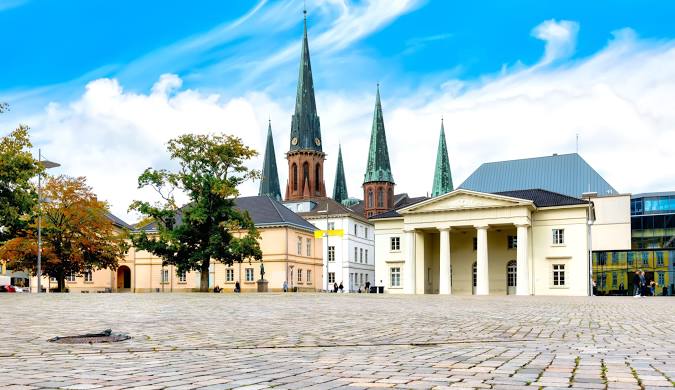
Oldenburg is a historic university city in northwestern Germany known for its vibrant culture, rich history, and status as a major center for cycling. It’s a city that balances urban living with nature, offering a blend of historic architecture like the 19th-century Town Hall with modern development, and is also close to the North Sea and the Dutch border. The city is famous for its extensive network of bike paths, making it the “city of bicycles,” and it has a high quality of life with many cultural events, including festivals and a large international film festival.
- Biking:
Oldenburg has an extensive network of cycle paths and is a popular mode of transport, earning it the nickname the “city of bicycles”.
- Historic center:
The city features a historic town center with a pedestrian zone, narrow alleys, cafes, and historic buildings like the eclecticist Old Town Hall with a triangular floor plan.
- Festivals and events:
Oldenburg hosts various cultural events throughout the year, including the Kultursommer (summer festival), the Stadtfest (city festival), and the Oldenburg International Film Festival.
- University city:
With over 18,000 students, it’s a significant university city, home to the Carl von Ossietzky University of Oldenburg and other institutions.
- Location:
Situated in Lower Saxony between the North Sea, Hamburg, and the Dutch border, Oldenburg is part of the Bremen/Oldenburg Metropolitan Region.
- Proximity to nature:
The city is home to the Hunte River, and the North Sea’s influence is felt through the Hunte’s tides reaching the city center. There are also nearby lakes and recreational areas.
- Economic hub:
Oldenburg is an economic and scientific center for northwestern Germany, with industries including maritime, agriculture, and the service sector.
- Growth:
The region is experiencing high growth and is developing into a European growth center for business and science.
- Modern development:The city is also home to modern developments, such as the Smart-City district built on a former military airbase.
- Vibrant and youthful:
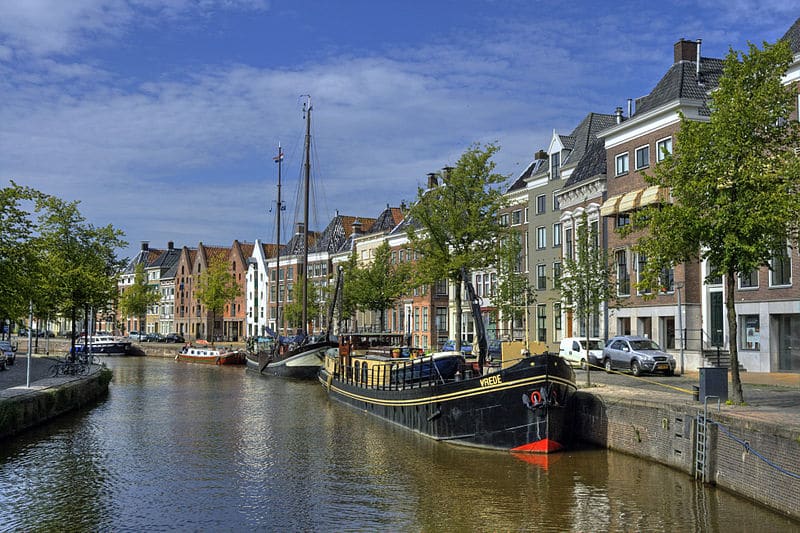
Home to the University of Groningen, the city has a large student population that contributes to its lively and dynamic feel, with many terraces, shops, and a bustling nightlife.
- Cultural hub:
Features a rich cultural scene with many museums, including the unique Groninger Museum, theaters, and festivals.
- Historic charm:
The city blends its historic past as a Hanseatic League member with modern development, visible in its architecture and infrastructure.
- Quality of life:
Often cited for its high quality of life, clean air, and pedestrian-friendly streets, with cycling being a primary mode of transport.
- Location: Located in the northernmost part of the Netherlands, bordering Germany and the North Sea.
- Economy: Historically known for agriculture, the province also has industrial areas, including chemical plants and the largest inland container terminal in the Netherlands railways.
- Landscape: Predominantly flat, with agricultural fields and a network of canals.
- Resources: Is home to one of the world’s largest natural gas deposits.