
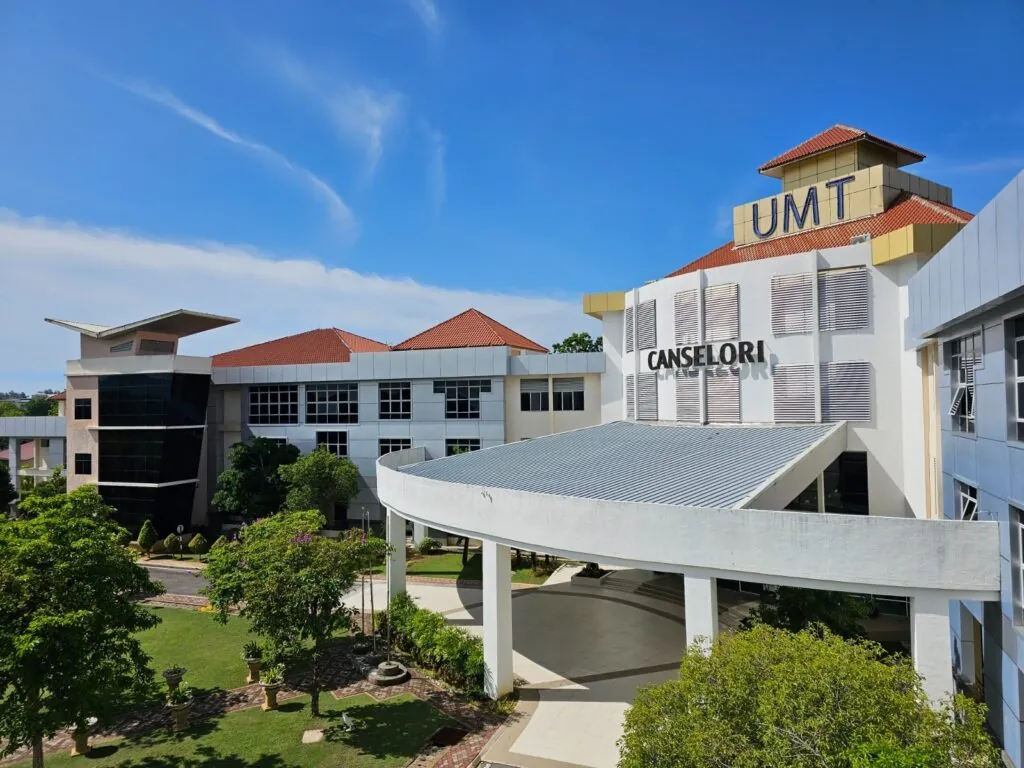
Universiti Malaysia Terengganu (UMT) is a leading public university located on the east coast of Malaysia, recognized for its strong focus on marine science, fisheries, and ocean-related studies. UMT hosts key academic units such as the Faculty of Science and Marine Environment, Faculty of Fisheries and Food Science, the Institute of Tropical Aquaculture and Fisheries (AKUATROP), and the Institute of Climate Adaptation and Marine Biotechnology (ICAMB). These institutions play an active role in advancing education and research in the field of the Blue Economy.
UMT has also established the UMT Beacon (Blue Economy Advancement Centre), a national hub for innovation and collaboration aimed at strengthening Malaysia’s engagement in sustainable ocean development. The center promotes interdisciplinary research, data-driven marine management, and partnerships with industry and government to support Malaysia’s transition toward a sustainable Blue Economy.
Through the STABLE Project, UMT contributes its expertise in tropical aquaculture, marine biotechnology, conservation, and ecosystem-based management by:
- Developing and co-teaching modules and course materials aligned with Blue Economy principles and international higher education standards;
- Facilitating joint research activities, advanced training programs, and Summer Schools for postgraduate students;
- Engaging in academic exchanges and collaborative curriculum enhancement to support the creation of joint or double-degree programs with ASEAN and EU partners.
UMT’s involvement in STABLE strengthens regional cooperation and contributes to building human capacity for sustainable marine resource management in Southeast Asia.
Role in STABLE:
- Participating in post graduate curriculum advancement mini workshop in Oldenburg.
- Participating in course content advancement mini workshop in Oldenburg.
- Participating in advanced training in Bremen.
- Participating in summer school at IPB University, Indonesia.
- MSc students participating in research stays in Indonesia.
- Participating in joint symposia in Bremen and Indonesia.
- Participating in research result dissemination in Indonesia
- Conducting joint research on blue food (Biofloc technology) for capacity development
Contact person:
- Muhamad Naimullah bin Muhammad Ikhwanuddin (naimullah@umt.edu.my)
- Bryan Raveen Nelson (bryan.nelson@umt.edu.my)
website UMT:
The Leibniz Centre for Tropical Marine Research (ZMT), based in Bremen, Germany, is a leading research institute dedicated to the study of tropical coastal ecosystems and their interaction with human societies. As part of the Leibniz Association, ZMT conducts interdisciplinary research that integrates natural and social sciences to understand, protect, and sustainably manage tropical marine and coastal systems worldwide.
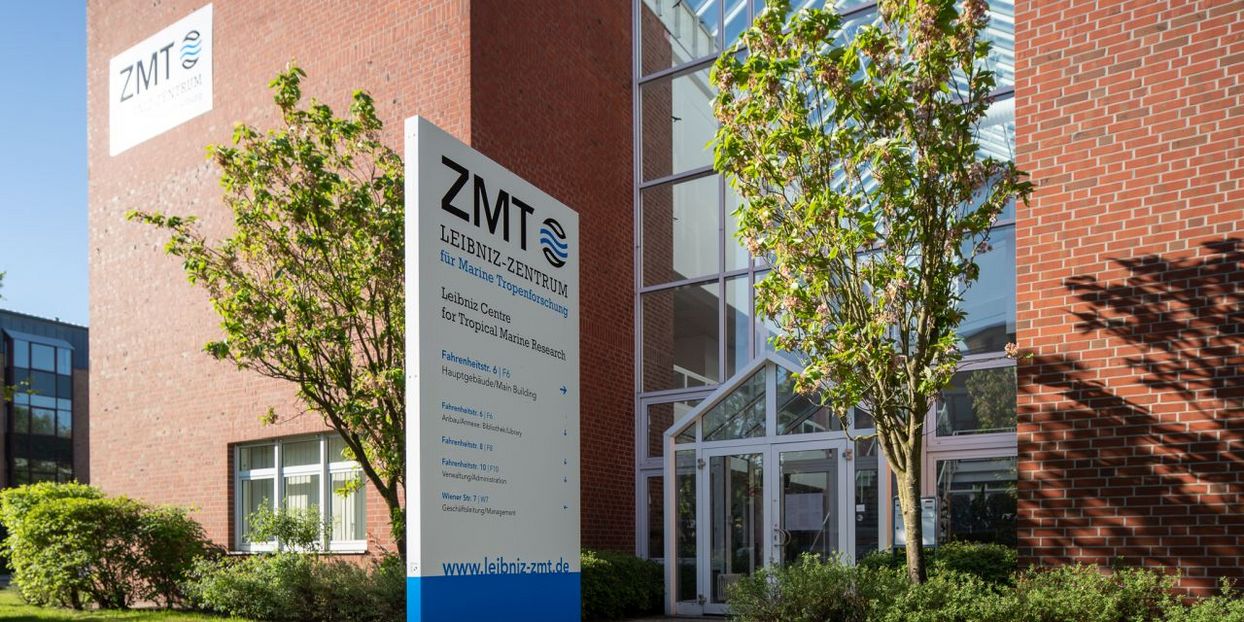
ZMT’s work is closely aligned with the Blue Economy framework, promoting knowledge-based policies and solutions that support sustainable use of marine resources while safeguarding ecosystem health. The institute focuses on areas such as coastal resilience, ecosystem services, marine governance, and socio-ecological systems — key components in achieving sustainable ocean development.
Within the STABLE Project, ZMT plays a pivotal role in advancing scientific collaboration and capacity building through:
- Providing expertise in marine ecosystem dynamics, governance, and data-driven management tools;
- Supporting curriculum development and the integration of sustainability and Blue Economy concepts into postgraduate education;
- Facilitating exchange programs, joint research initiatives, and academic mentoring between ASEAN and EU partner universities.
By fostering collaboration and innovation, ZMT contributes to strengthening the bridge between science, education, and policy in support of a sustainable Blue Economy.
Role in STABLE:
- Hosting postgraduate curriculum advancement mini workshop for FFMS/IPB University.
- Hosting course content advancement mini workshop for FFMS/IPB University.
- Supporting postgraduate curriculum advancement mini workshop for FFMS/IPB University.
- Hosting advanced training for FFMS/IPB University.
- Contributing to summer school at IPB University, Indonesia.
- Hosting joint symposia in Bremen and participating joint workshop in Indonesia.
- Liaising with partner universities in Germany.
- Supporting research result dissemination.
Contact person:
Rebecca Lahl (rebecca.lahl@leibniz-zmt.de)
Website ZMT Bremen:
The Carl von Ossietzky University of Oldenburg is one of Germany’s leading institutions in environmental and sustainability sciences, with a strong focus on marine and coastal research. Through its Institute for Chemistry and Biology of the Marine Environment (ICBM), the university conducts cutting-edge research on ocean processes, ecosystem dynamics, and sustainable resource management.
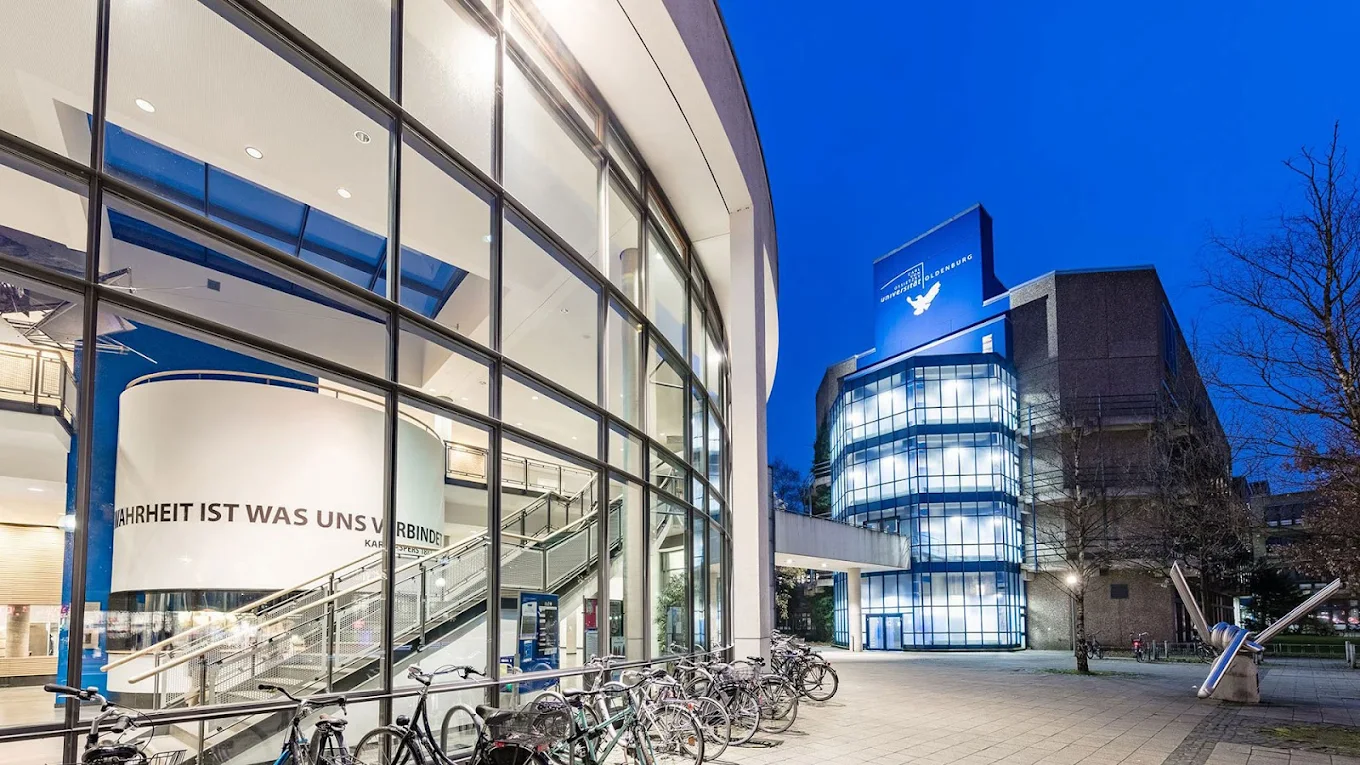
Aligned with the principles of the Blue Economy, the University of Oldenburg emphasizes interdisciplinary collaboration between natural sciences, engineering, and socio-economic studies to promote sustainable ocean use and climate-resilient development.
Within the STABLE Project, the University of Oldenburg contributes its expertise in marine ecosystem analysis, data science, and sustainable management practices, supporting the modernization of higher education curricula and the creation of joint training programs. Its active engagement in capacity building and research collaboration helps strengthen the bridge between European and ASEAN academic institutions, advancing knowledge and innovation for a sustainable Blue Economy.
Role in STABLE:
- Hosting postgraduate curriculum advancement mini workshop for FFMS/IPB University and UMT Malaysia.
- Hosting course content advancement mini workshop for FFMS/IPB University and UMT Malaysia.
- Contributing to advanced training for FFMS/IPB University and UMT Malaysia.
- Participating in summer school at IPB University, Indonesia,
- MSc students participating in research stays in Indonesia.
- Participating in joint symposia in Bremen and Indonesia.
- Participating in research result dissemination in Indonesia.
Contact person:
Prof. Peter Schupp (peter.schupp@uni-oldenburg.de)
Website Oldenburg:
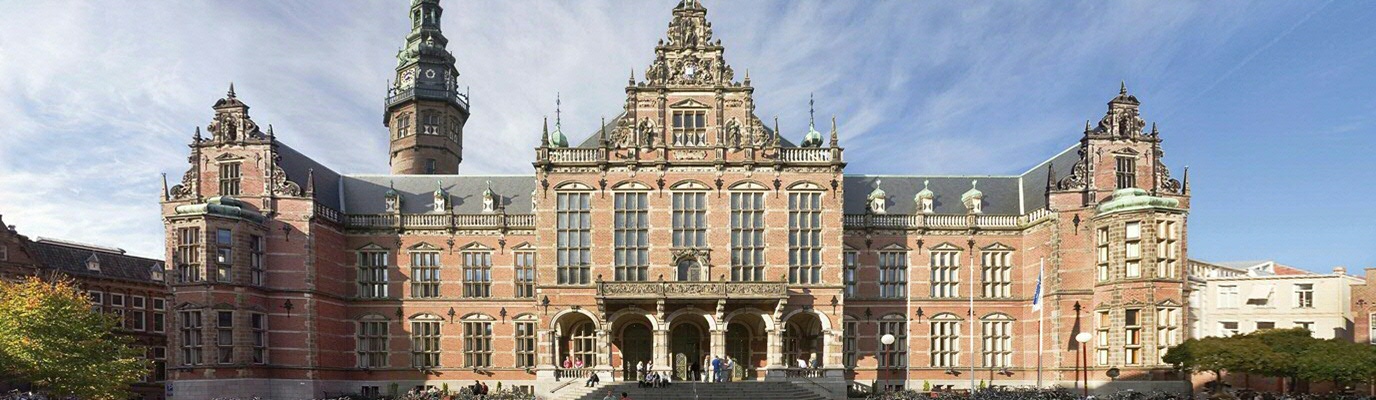
The University of Groningen (RUG) is one of the oldest and most prestigious universities in the Netherlands, renowned for its strong commitment to sustainability, environmental science, and global collaboration. Through its Faculty of Science and Engineering and Faculty of Spatial Sciences, RUG actively engages in interdisciplinary research addressing challenges related to marine ecosystems, coastal management, and sustainable resource use.
In alignment with the Blue Economy concept, the University of Groningen promotes innovative approaches to sustainable ocean governance, integrating policy, technology, and socio-economic perspectives.
As part of the STABLE Project, RUG contributes its expertise in marine governance, spatial planning, and sustainable coastal development, strengthening academic collaboration between European and ASEAN institutions. The university plays a key role in fostering research exchange, curriculum innovation, and joint initiatives that support the transition toward a sustainable Blue Economy.
Role ins STABLE:
- Contributing to postgraduate curriculum advancement mini workshop for FFMS/IPB University.
- Contributing to course content advancement mini workshop for FFMS/IPB University.
- Contributing to advanced training for FFMS/IPB University.
- Participating in summer school at IPB University, Indonesia.
- MSc students participating in research stays in Indonesia.
- Participating in joint symposia in Bremen and Indonesia.
- Contributing to research result dissemination Indonesia.
Contact person:
Dr. Elen-Maarja Trell-Zuidema (e.m.trell@rug.nl)
Website Groningen: